

Hey there, adventure seekers! 👋 Ready to embark on a journey that’ll literally rock your world? Welcome to Isola Fogo, Cape Verde’s hidden gem that’s about to blow your mind (but don’t worry, not literally… well, mostly). Let’s dive into what makes this volcanic paradise a must-visit destination!
Cosa rende l'isola Fogo unica nell'arcipelago di Capo Verde?
Avete mai sognato di trovarvi sul bordo di un vulcano attivo? O di sorseggiare un vino coltivato in terra vulcanica? Beh, datevi un pizzicotto, perché l'isola Fogo sta per realizzare questi sogni!

Il vulcano attivo Pico do Fogo
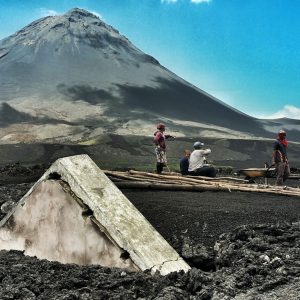
Picture this: you’re standing at the base of a massive volcano, its peak disappearing into the clouds. That’s Pico do Fogo, Cape Verde’s highest point and Fogo’s crowning glory. Rising to an impressive 2,829 meters (9,281 feet), this active stratovolcano is the island’s raison d’être and a geological marvel that’ll leave you slack-jawed.
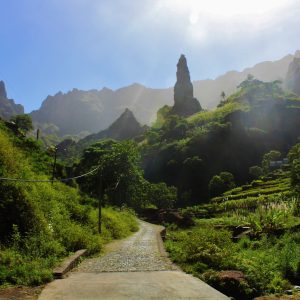
But Pico do Fogo isn’t just a pretty face. Its most recent eruption in 2014-2015 reshaped the landscape, creating new lava fields and reminding everyone of nature’s raw power. The volcano’s flanks are a patchwork of old and new lava flows, each telling a story of past eruptions. As you explore, you’ll see firsthand how this fiery giant has shaped not just the land, but the very culture and way of life on Fogo.
Ricco suolo vulcanico e paesaggi fertili
Who knew volcanoes could be so… delicious? Fogo’s volcanic soil is a fertile playground for agriculture, producing some of the most unique and flavorful crops you’ll ever taste. It’s like Mother Nature decided to turn up the volume on flavor, and boy, did she succeed!
Let’s talk wine, shall we? Fogo’s volcanic vineyards are nothing short of miraculous. Imagine rows of gnarled vines, their roots plunging deep into black volcanic soil, soaking up minerals that give Fogo wine its distinctive character. The star of the show? That’d be Manecom, a robust red wine that’s as bold and unapologetic as the volcano itself. Each sip is like a little explosion of flavor in your mouth – a testament to the island’s fiery heritage.
Un mix unico di cultura portoghese e capoverdiana
From colorful colonial buildings to the rhythm of morna music floating through the air, Fogo is a cultural melting pot that’ll capture your heart. It’s like stepping into a living, breathing postcard of Cape Verdean life!
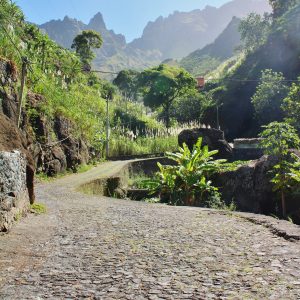
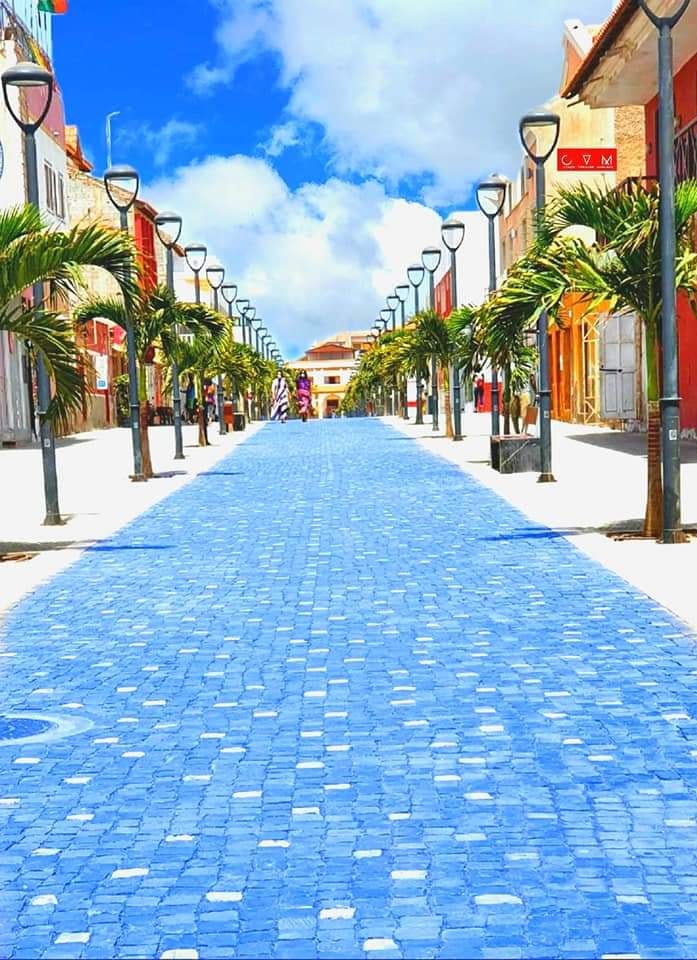
In São Filipe, the island’s capital, Portuguese colonial architecture stands proud against a backdrop of volcanic hills. Wander through the cobblestone streets, and you’ll feel like you’ve time-traveled to a bygone era. The sobrados, grand two-story houses with distinctive wooden balconies, are a photographer’s dream. Each building tells a story of the island’s colonial past, with a distinctly Cape Verdean twist.

Come posso raggiungere l'isola Fogo?
Alright, let’s get down to brass tacks. How do you turn this volcanic dream into reality? Don’t worry, we’ve got your back!
Opzioni di volo per l'aeroporto di São Filipe
Hop on a quick flight from Praia (Santiago Island) or Sal, and before you know it, you’ll be touching down in São Filipe. It’s like teleporting to another world, but with better in-flight snacks! Flights operate daily, and the journey from Praia takes just about 45 minutes. As you approach the island, keep your eyes peeled for a bird’s-eye view of Pico do Fogo – it’s a preview of the adventure to come!
Collegamenti in traghetto da altre isole di Capo Verde
Feeling nautical? Catch a ferry for a scenic ride. It’s the perfect chance to channel your inner seafarer (seasickness pills recommended, just in case). Ferries connect Fogo with Santiago and Brava islands, offering a more leisurely – and adventurous – way to reach the island.
The ferry journey from Praia to São Filipe takes about 3-4 hours, depending on sea conditions. It’s a great option if you’re not in a hurry and want to soak in the vastness of the Atlantic. Plus, there’s something magical about approaching Fogo from the sea, watching the volcanic peak grow larger on the horizon.
I periodi migliori per visitare l'Isola Fogo
Here’s a little secret: there’s never really a bad time to visit Fogo. But if you’re looking for that Goldilocks “just right” weather, aim for November to April. It’s like the island is giving you a warm hug (literally) with perfect hiking conditions and minimal rain.
During these months, you can expect daytime temperatures around 25°C (77°F), dropping to a comfortable 18°C (64°F) at night. It’s ideal for hiking Pico do Fogo without melting into a puddle of sweat!
Quali sono le attrazioni da non perdere a Chã das Caldeiras?
Welcome to the heart of Fogo’s volcanic wonderland! Chã das Caldeiras, nestled within the ancient crater of Fogo, is like stepping onto another planet – one where humans and volcanoes have learned to coexist in a delicate dance.
Esplorazione del cratere vulcanico e dei campi di lava
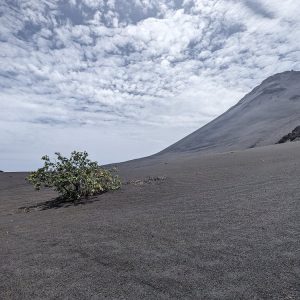
It’s not every day you get to walk on ground that was literally created in your lifetime. The lava fields from recent eruptions are like nature’s own modern art installation – beautiful, awe-inspiring, and a little bit scary.
Picture this: you’re standing on a vast expanse of black, twisted rock, steam still rising from cracks in the earth. The lava fields from the 2014-2015 eruption are a stark reminder of nature’s raw power. As you crunch across the cooled lava, you’ll see fantastic formations – ropey pahoehoe lava that looks like coiled ropes, and jagged a’a lava that’ll test the durability of your hiking boots.
Visita ai villaggi resistenti all'interno della caldera
The people of Chã das Caldeiras give new meaning to the phrase “rising from the ashes.” Their determination to rebuild after each eruption is nothing short of inspirational. It’s a powerful reminder that with the right attitude, you can overcome any obstacle life throws at you (even if that obstacle is molten lava).
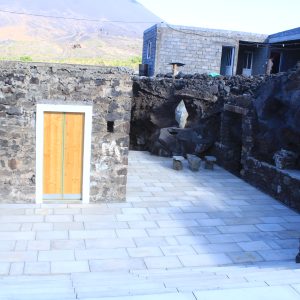
Portela e Bangaeira, i due villaggi principali della caldera, sono la testimonianza della resilienza umana. Camminare in queste comunità è come entrare in una lezione di geologia vivente. Le case costruite con la roccia vulcanica si trovano accanto a strutture più recenti, ognuna delle quali racconta una storia di distruzione e rinascita.
Degustazione di vini e tour dell'agricoltura locale
From vineyard tours to coffee plantations, you’ll get a taste (literally) of how the locals have turned volcanic adversity into agricultural gold. It’s farm-to-table with a fiery twist!
The volcanic soil of Chã das Caldeiras produces some of the most unique wines you’ll ever taste. Visit the local cooperative, where you can tour the vineyards and see how grapes are grown in this harsh landscape. The star of the show is Manecom, a robust red wine that’s as bold and complex as Fogo itself. As you sip, notice the mineral undertones – that’s the taste of volcano right there in your glass!
Quali attività si possono praticare sull'isola Fogo?
Get ready for some once-in-a-lifetime moments that’ll make your friends back home say, “You did WHAT?!”
Escursione a Pico do Fogo e Pico Pequeno
Lace up those hiking boots, because you’re in for the climb of a lifetime! The trek to Pico do Fogo’s summit is like walking on the moon, but with better views (and oxygen, thankfully). Don’t forget to snap a selfie at the top – your Instagram followers will be green with envy!
Exploring São Filipe’s colonial architecture
Wander through the streets of São Filipe and you’ll feel like you’ve stepped back in time. The colonial architecture is so well-preserved, you half expect to see Portuguese traders around every corner. It’s like a time capsule of Cape Verdean history!
Rispetto delle usanze e dell'ambiente locale
Remember, you’re a guest in someone else’s home. A little respect goes a long way – and who knows, you might make some lifelong friends in the process!

 Italian
  English
  Portuguese
  French
  Spanish